Psychological erectile dysfunction (psychogenic ED) occurs when psychological or emotional factors interfere with a man’s ability to achieve or maintain an erection, even when there may be no clear physical cause. It is more likely to occur unexpectedly than physical causes, can change based on context, and is responsive to targeted interventions.
It is a detailed guide on psychological erectile dysfunction causes, symptoms, diagnosis, and effective treatment options. Understanding and identifying the underlying causes of the situation can help regain confidence and intimacy, whether stemming from performance anxiety, stress, or more serious causes.
What’s psychological erectile dysfunction?
When erectile dysfunction is primarily psychological (due to psychological causes, not vascular, neurological or hormonal issues), it is known as ‘psychological erectile dysfunction’. Men may achieve erections during self-masturbation or nocturnal penile tumescence but fail to do so with a partner.
It makes up a large part of ED cases, particularly in young men. Psychological factors can contribute to ED at any age and may be particularly relevant in younger men. In some cases, psychological and physical factors occur together.
There is primary (lifelong) and secondary (acquired) psychogenic ED, and in many cases, PS and performance anxiety may actually be concurrent and difficult to manage.
The most common causes of psychological ED are anxiety, depression, and stress.
There are a number of interrelated psychological erectile dysfunction causes that can interfere with the brain’s ability to communicate about arousal and erection. The most prevalent:
- Performance anxiety: Worry about getting or maintaining an erection, satisfying a partner, or a previous difficult sexual experience can interfere with arousal and contribute to ED. One of the major triggers of performance anxiety is worry about getting or maintaining an erection, especially in new relationships or following a prior incident.
- Cortisol and adrenaline are counterproductive to the relaxation that is required for erections when they are high: Chronic stress caused by work, money or life pressures.
- Depression and Anxiety Disorders: These disorders affect brain chemistry, decrease libido and disrupt the arousal pathways. Almost all men who have depression experience ED.
- Low self-esteem and body image issues can cause a lack of confidence in sex.
- Relationship Issues: Poor communication, lack of emotional connection, conflict and resentment can inhibit desire and performance.
Avoidance, guilt or insensible blocks in intimacy can arise from old trauma or sexual abuse. Exuberant viewing of pornography or chimerical expectations from media can lead to desensitisation or pressure for performance.
The major symptoms associated with the psychogenic form of ED include:
Recognising symptoms is useful for distinguishing between psychological erectile dysfunction (PED) and physical ED:
- Rapid onset, usually specific to the situation (e.g., only when partnered).
- Normal erections when working alone or during sleep.
- Loss of erection due to worrying thoughts.
- Avoidance of closeness (fear or embarrassment).
- It will be accompanied by a sense of frustration, low mood or difficulty in the relationship.
These symptoms often perpetuate a vicious cycle: anxiety increases ED, which increases anxiety.
Doctors Measuring Psychological Erectile Dysfunction.
It is important to rule out physical causes by accurate diagnosis. A typical process would consist of:
- Detailed medical and sexual history.
- Physical exam, blood tests (to check hormones, diabetes, etc.).
- Nocturnal Penile Tumescence (NPT) testing to ensure normal erection during sleep.
- Psychological questionnaires such as anxiety or depression.
See an andrologist, urologist or sex therapist to be evaluated.
Natural treatment for ED is a topic of great interest to many men. Natural treatment for ED is a subject that is of great interest to many men.
The good news: Psychological ED is very treatable, often without long-term medication. The best treatment combines ‘mind’ and ‘body’.
1. Psychotherapy and Counselling
Cognitive Behavioural Therapy (CBT) is very effective for changing negative thinking patterns, decreasing performance anxiety and increasing confidence. There is a fairly high success rate in younger men.
Sex therapy involves techniques such as sensate focus to enhance intimacy without pressure.
- Couples Counselling: Enhances communication skills and addresses relational issues.
- Mindfulness-Based Therapies: Practise being present and checking your thoughts.
2. Self-help is the answer – practise lifestyle changes.
- Improving sleep, diet and exercise to reduce stress.
- Mindfulness meditation, or yoga.
- Limit alcohol, quit smoking and reduce the amount of pornography used if excessive.
- Discuss with the partner what is expected and how the feelings are experienced.
Easy exposure: Start with non-penetrative intimacy first to build up confidence.
3. Prescription medicines are provided as a temporary aid.
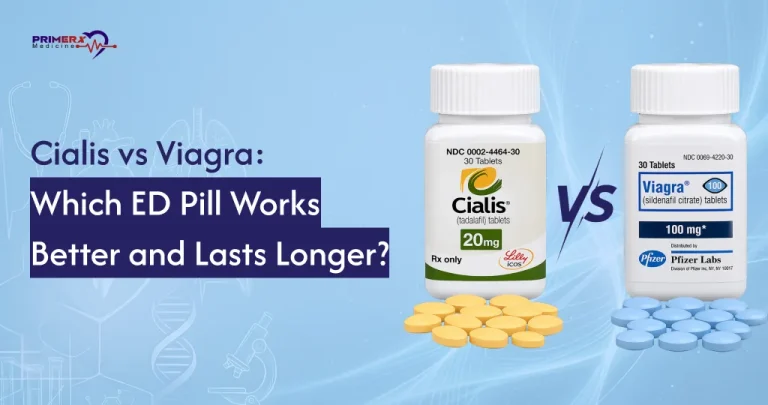
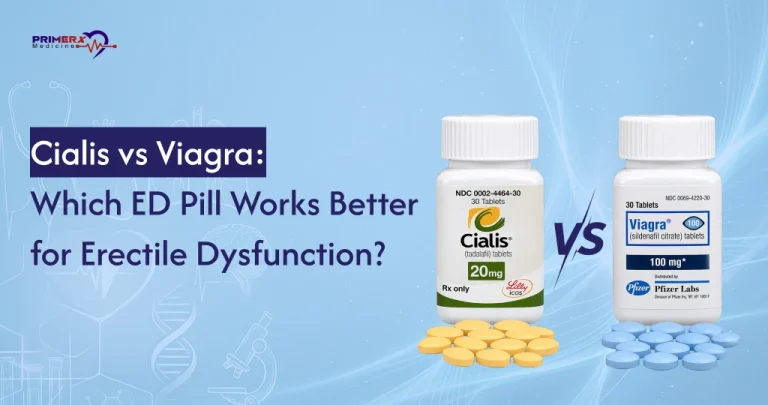
When taken with therapy, PDE5 inhibitors (Viagra or Cialis) can help break the cycle of anxiety. They help maintain a sense of security during psychological work.
4. Other Approaches
- Progressive muscle relaxation, deep breathing.
- Giving proper treatment for other illnesses that often accompany depression.
Comparison of Therapy Options (for quick reference):
| Therapy Type | Best For | Key Benefits |
| CBT | Performance Anxiety, Depression | Changes thought patterns |
| Sex Therapy | Intimacy Issues | Practical exercises |
| Couples Counseling | Relationship Conflicts | Improves partnership |
| Mindfulness/MBCT | Anxiety & Overthinking | Enhances present-moment focus |
Prevention and Long-Term Management.
To avoid reoccurrence, manage stress proactively, keep relationships open, and seek help early. The regular physical activity and mental health check-ins help maintain overall sexual wellness.
Conclusion
Psychological erectile dysfunction is prevalent, particularly among younger men, and is not likely to last. Men who understand the causes of ED, such as performance anxiety and stress, and take steps to improve their sexual function through evidence-based treatments, such as CBT, sex therapy and changing lifestyle habits, are able to recover their full sexual functioning and sexual confidence in numerous instances.
If in any doubt, seek advice from a healthcare professional; the first step will usually make a big difference and improve your relationships. With proper support, men can overcome psychogenic ED and enjoy a satisfying intimate life.
FAQs
What is the first key difference between psychological and physical ED?
Psychological erectile dysfunction (psychogenic ED) usually does not prevent a man from becoming erect while he is masturbating or while he is asleep, and it often begins all of a sudden or in certain circumstances. Physical ED is typically more regular, progressive and associated with chronic conditions such as diabetes, heart disease, or low levels of testosterone. It is important to determine the cause so that it can be treated.
Can psychological ED be resolved on its own?
For mild cases of psychological erectile dysfunction, a reduction in stress, sleep disturbance and lifestyle changes can help. But if the ED keeps coming back or has gone away for a while but then comes back, it is not always possible to get it to go away for good. Therapy can help you take out the anxiety-performance cycle and restore confidence and prevent long-term relationship strain. The sooner the intervention is provided, the sooner the patient will recover.
Does this performance anxiety appear to be the most frequent cause?
Yes, that’s one of the most common causes of psychological erectile dysfunction, particularly for young, healthy men who are experiencing performance anxiety. A fear of poor performance, pleasing a partner or losing an erection can set up a vicious circle. This variety of psychogenic ED typically strikes after a new relationship or following one particularly difficult time.
What’s the effectiveness of CBT for psychological ED?
Cognitive Behavioural Therapy (CBT) can help address negative thought patterns and performance anxiety that may contribute to psychological ED. It may also help improve sexual confidence, especially when combined with appropriate counselling or sex therapy.
Is it advisable for me to take ED pills for psychological reasons?
Sometimes, ED pills such as Viagra or Cialis can greatly relieve psychological erectile dysfunction. They offer comfort, help to alleviate the anxiety cycle and ease the way as you address the underlying mental causes with therapy. However, treatment with medication is not sufficient to correct basic psychological problems, and the combination of medication and counselling is most effective.
Do relationship issues contribute to the development of ED?
Absolutely. Psychological erectile dysfunction is caused by conflicts in relationships, poor communication, emotional distance, unresolved resentment, or lack of intimacy. If a couple’s emotional bond erodes, its sex life generally deteriorates. These can be addressed with couples counselling; communication and trust can be enhanced, and often psychogenic ED can be resolved.
When is it time to visit a doctor for ED?
If the inability to get and keep an erection lasts longer than 2-3 weeks, causes distress, lowers self-esteem, or puts a strain on your relationship, it is important to consult a doctor. Early assessment helps exclude physical causes and also enables early treatment of PED before it progresses. If you feel overwhelmed, don’t wait to seek help; the first step to recovery is reaching out.
Is psychological ED more common in younger men?
Yes, psychological factors may play a greater role in ED among younger men. Stress, anxiety, depression and performance anxiety can contribute, while physical causes become more common with age.