An erection is a natural physiological process that allows the penis to expand, swell, and stiffen, enabling sexual activity. It occurs when blood gets into the penis at a rate higher than the rate at which it can exit due to a complicated chemical action of brain signals, nerves, hormones, and blood vessels.
The majority of men have an erection every day, whether in a state of arousal, during sleep, or even at random. Knowing how an erection occurs and what influences it can help you be sexually healthy, recognise any problems at an early stage, and feel more confident.
This source separates the science into simple, updated language and follows the current medical understanding of topics, such as the National Institutes of Health and the Mayo Clinic. This section covers the mechanism, types, influencing factors, practical tips, and a brief FAQ.
What Is an Erection?
Penile erection (or tumescence) is the hardening of the penis caused by blood filling it. The three principal erectile chambers (two corpora cavernosa, or spongy cylinders on the top, and one corpus spongiosum, or one around the urethra) enlarge when pressured.
-
 Sildenafil Citrate Tablets
Cenforce 200 mg (Sildenafil)
Price range: $31.00 through $340.00 Select options This product has multiple variants. The options may be chosen on the product page -
 Sildenafil Citrate Tablets
Fildena 150 mg (Sildenafil)
Price range: $30.00 through $375.00 Select options This product has multiple variants. The options may be chosen on the product page -
 Tadalafil
Vidalista 60 mg (Tadalafil)
Price range: $35.00 through $385.00 Select options This product has multiple variants. The options may be chosen on the product page -
 Sildenafil Citrate Tablets
Kamagra Oral Jelly 100 mg (Sildenafil)
Price range: $54.00 through $199.00 Select options This product has multiple variants. The options may be chosen on the product page -
 Sildenafil Citrate Tablets
Lovegra 100 mg (Sildenafil)
Price range: $36.00 through $288.00 Select options This product has multiple variants. The options may be chosen on the product page
This causes the penis to swell, become harder and be elevated. Not all erections are associated with sexual desire; it is quite possible that they can occur because of physical contact, thoughts, and even sleep.
A normal erection usually takes a few minutes to half an hour based on stimulation, although there is no correct time. The occasional increase or decrease in firmness or timing is normal and not a cause for concern.
The Science of Erections.
To comprehend how an erection occurs, begin with the structure of the penis:
- Corpora cavernosa: Synchronous chambers comprising spongy tissue and blood vessels. Most of the rigidity is explained by the authors.
- Corpus spongiosum: This structure is the tissue that surrounds the urethra and prevents it from closing during ejaculation.
- Tunica albuginea: A thick fibrous outer layer that encloses blood within the chambers.
- Helicine veins and arteries regulate the flow of blood in and out.
Smooth muscles in these chambers remain contracted (in a relaxed, flaccid state) and restrict blood flow. When they are aroused, they become slow-jawed.
The Science Fiction Process of Ejaculation:
The mechanism of how an erection occurs is an exact neurovascular action of your brain, nerves, and blood vessels. Here’s the breakdown:
- Arousal Phase – Sensory stimuli (sight, touch, sound, smell, or fantasy) or mental stimulation cause the brain centres, such as the hypothalamus, to be active.
- Parasympathetic nerves (out of the sacral spinal cord) discharge, and sympathetic fight-or-flight signals become silent.
- Nitric Oxide Release — Nerve endings and endothelial cells release their key chemical, nitric oxide (NO). NO triggers guanylate cyclase, which increases the concentration of the second messenger cGMP (cyclic guanosine monophosphate).
- Smooth Muscle Relaxation – cGMP reduces the level of calcium in the smooth muscle cells, causing them to relax. Arteries become enlarged, and blood flow increases by 20 to 40 times.
- Tumescence (swelling) — The corpora cavernosa are filled and enlarged, pushing against the tunica albuginea.
- Venous Occlusion — Dilated tissue pushes on outgoing veins and stops the circulation of blood, thereby producing pressure (full erection stage).
- Rigid Erection – Pelvic floor muscles (ischiocavernosus and bulbocavernosus) contract to their fullest extent, becoming as firm as possible.
- Detumescence (Return to Flaccid) — The stimulation is terminated, NO production decreases, cGMP degrades through an enzyme called PDE5, and the muscles contract and the blood is drained out.
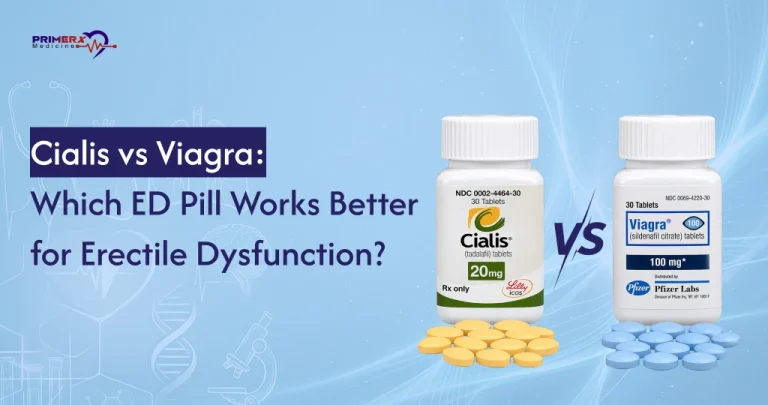
The whole process depends on the presence of nitric oxide – the star molecule that medications such as Viagra (PDE5 inhibitors) work with.
Types of Erections
Not every erection is a true one. Doctors distinguish three major types according to triggers:
- Psychogenic erections: The stimulation of the brain caused by thoughts, images, daydreams, or feelings.
- Reflexogenic erections: Direct body contact or stimulation through the spinal reflex (the brain is not necessary).
- Nocturnal erections (morning wood): Occur 3-5 times every night during REM sleep. These are reflexive and a good indication of healthy nerves and blood vessels.
What Affects an Erection? Key Factors and Influences
A lot of factors affect the quality of an erection, its duration, and its frequency. The majority of the problems are caused by decreased blood circulation, nerve impulses, or hormones. Science indicates that the following factors influence erections:
Psychological factors:
- Stress, anxiety, depression, or performance pressure can block signals, even with healthy blood vessels.
- Family problems or exhaustion.
- Physical: No vascular problems; pulse and blood pressure are normal.
- Cardiovascular disease, high blood pressure, high cholesterol, and atherosclerosis (clogged arteries) are also present.
- Diabetes destroys nerves and small blood vessels.
Hormonal factors:
- Low testosterone is typical in the elderly or those with obesity.
- Thyroid imbalances.
Neurological factors:
- Damage to nerves due to injury, surgery, or other diseases such as multiple sclerosis.
Lifestyle factors:
- Poor sleep, excessive alcohol, poor diet, lack of exercise, obesity, or smoking.
- Dehydration (lowers the volume of blood).
Drugs and other factors:
- Blood pressure, beta-blockers, or antidepressants.
This effect of the gut microbiome has also recently been linked in some younger men to the effects of COVID.
Significant Determinants of Erection Quality.
| Category | Positive Influences | Negative Influences | How It Impacts Erection |
| Blood Flow | Regular cardio exercise, healthy diet | Heart disease, smoking, and high cholesterol | Reduces the inflow or trapping of blood |
| Nerves & Signals | Good sleep, low stress | Diabetes, spinal injury, anxiety | Blocks nitric oxide release |
| Hormones | Balanced testosterone, vitamin D | Low T, obesity, ageing | Lowers libido and muscle relaxation |
| Lifestyle | Exercise, hydration, and no smoking | Sedentary life, alcohol excess, and poor sleep | Weakens overall vascular health |
| Medications | None directly | Blood pressure medications and antidepressants | Can interfere with signals or blood flow |
Their awareness contributes to the fact that erectile dysfunction (ED) frequently coincides with heart-related complications. ED is a symptom that predisposes to heart diseases.
How to Help Have Better, Stronger Erections.
In most cases, you can increase the strength of your erection through natural means:
- Workout (in particular, pelvic floor/Kegel exercises and cardio).
- Consume a Mediterranean-based diet that is abundant in nitrates (leafy greens), zinc, and antioxidants.
- Reducing stress by sleeping, meditating, or doing therapy.
- Eat right and eliminate smoking.
- Get watered and avoid alcohol.
- Have background testing, including for diabetes and low testosterone.
Should lifestyle changes fail, the proven medical treatments are PDE5 inhibitors, injections, vacuum devices, or testosterone therapy (only when clinically low).
Conclusion
The process of erection is an extraordinarily crafty, exceptionally attuned combination of your brain, nerves, blood vessels, and hormones, which is dominated by nitric oxide and smooth muscle relaxation. Although the mechanics of how an erection occurs are unchanged in most men, the factors that influence it are diverse, ranging from everyday stress to chronic health issues.
FAQs
How long is a normal erection?
When having sex, it takes, on average, 5-7 minutes to achieve firm rigidity, though complete erections may take 10-30+ minutes depending on stimulation. The nocturnal ones are the ones that can be easily resolved.
Does morning wood (nocturnal erection) occur normally?
Yes, 3-5 times a night is good, and it means your nerves and blood vessels are functioning well.
Is it possible that stress alone is the cause of erection problems?
Absolutely. Stress causes blood vessels to constrict, and it disturbs the brain signals even in otherwise healthy men.
What is the average length of the erect penis?
Research indicates an average erect penis length of 5.1 to 5.5 inches and a girth of 4.5 inches. The size is diverse and has little influence on satisfaction or functionality.
When am I to consult the doctor regarding the erections?
When you can no longer or can hardly get an erection more than half the time, or when it is becoming a problem for your relationships or self-esteem.
Are drugs such as Viagra effective?
Yes, they stimulate the natural nitric oxide pathway; they, too, need sexual stimulation. When prescribed, they are safe for the majority of men.
Is masturbation the cause of poor erections?
No. Moderate masturbation is natural, and it does not lead to erectile dysfunction. It is only at times that excessive use of porn can have a psychological influence on arousal patterns.
Why do erections fade away so quickly during sexual intercourse?
It is commonly caused by anxiety, distractions, alcohol, fatigue, or decreased blood flow. Fitness and stress reduction are often helpful.