The two are more intertwined than some may think: anxiety and erectile dysfunction. Erectile dysfunction (ED) affects millions of men in the United States. Among the prominent causes of ED, mental issues such as anxiety play an important role. Recent statistics indicate that psychological problems, such as anxiety, are a contributing factor to ED in a considerable percentage of cases, particularly among young men.
Erectile dysfunction is caused by anxiety, and that is the answer to the question, ‘Can anxiety cause erectile dysfunction?’ Constant worry, stress, or performance pressure may interfere with the brain-body signals that are required to produce an erection. The good news? This kind of psychological erectile dysfunction is extremely curable with the proper attitude. The guide is a detailed manual subdivided into the various aspects of science, symptoms, treatments, and prevention strategies to restore your confidence and intimacy.
What Is Erectile Dysfunction, and Why Does It Matter?
Erectile dysfunction is a condition that prevents a person from having or sustaining an erection that is firm enough to have sex satisfactorily. It occurs among about 18–24% of men in the United States in general and increases to 52 percent of men aged 75 and above. Though commonly linked to ageing or medical issues, such as diabetes or heart disease, the disorders of anxiety and erectile dysfunction are often interrelated.
ED is not just a bedroom problem; it may reduce self-esteem, put relationships under strain, and be an indication of deeper health issues. When anxiety is the cause, the issue is ordinarily psychogenic, that is, a matter of the mind and emotions, and not inevitably a tangible one.
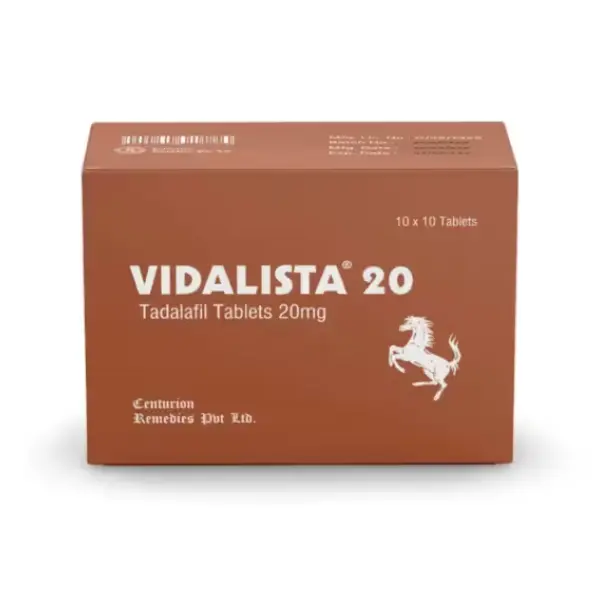
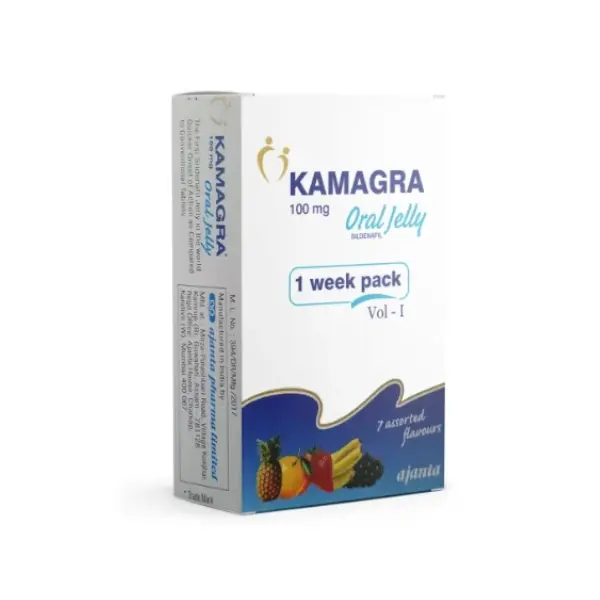
Explore Trusted Treatment Options at Competitive Prices


The Science Behind Anxiety and Erectile Dysfunction
The fight-or-flight response occurs because of anxiety: stress hormones, such as cortisol and adrenaline, are released. These substances narrow blood vessels and redirect blood flow away from the penis, which complicates erections. The signals in the brain that loosen the penile muscle and produce more blood are interrupted.
In the long term, it leads to a vicious cycle: a single episode of ED triggers more performance anxiety and therefore increases the issue. Men with anxiety disorders are found to be at a much greater risk for ED, with prevalence rates in this population of 9–25% in one study and as high as 85% in another, depending on the severity.
The anxiety of performance is particularly prevalent. Fretting that one has to do something during sex instead of letting the arousal take its course makes a perfectly natural reaction a self-fulfilling pressure.
Performance Anxiety: What Triggers ED
Erectile dysfunction and performance anxiety are usually intertwined. Anxiety can increase before or during intimacy due to fear of failure, pressure to satisfy a partner, or previous negative experiences. This psychological diversion decreases the release of nitric oxide – the chemical needed to generate erections.
The sources, such as Mayo Clinic research, affirm that even a minor anxiety level can escalate minor physical problems to a full-scale ED.
Symptoms of Anxiety-Related Erectile Dysfunction
Early identification of the signs can hasten recovery. Common symptoms include:
- Problems with erection, particularly in stressful conditions (however, at other times, such as in the morning, erection is normal)
- Loss of erection during foreplay or sex can happen suddenly due to racing thoughts.
- Decreased sexual drive or shunning sex.
- More anxiety about sexual performance extends into day-to-day life.
- Manifold signs of anxiety in the sexual act, including increased heart rate, sweating, or tense muscles.
In contrast to strictly physical ED, so-called anxiety-induced ED is likely to be alleviated through relaxation or environmental adjustments.
Who Is at Risk? Age Groups and Factors
Anxiety and erectile dysfunction may occur in any male at any age; however, the trends vary:
- Younger men (teens to 40s) experience up to 90% of ED psychological cases, often due to performance anxiety or nerves related to new relationships.
- Middle-aged men (40s–60s): The combination of work stress, relationship problems, or financial concerns with newly appearing physical factors is common.
- Older men (65+): Although physical causes prevail, anxiety due to health issues or the partner’s death may still be a significant factor.
Generalised anxiety disorder, PTSD (which increases the risk of sexual dysfunction threefold), depression, and lifestyle issues such as poor sleep or excessive alcohol are also risk factors.
When to See a Doctor for a Diagnosis of Your Condition
Consult a healthcare provider in case of persistent symptoms of the condition known as ED (lasting more than several weeks). It is usually diagnosed through a physical examination, medical history, and enquiries regarding the level of anxiety or stress. Blood tests will help to exclude hormonal imbalances or other conditions.
To evaluate severity, a doctor could prescribe the International Index of Erectile Function (IIEF) questionnaire. Early intervention helps avoid worsening the anxiety-ED cycle.
Efficient Management of Anxiety-Related ED
Combined treatment of anxiety and ED is the most effective. Options include:
- Cognitive behavioural therapy (CBT) and sex therapy: It helps to reframe the negative thoughts and lessen the performance pressure. Psychological causes are highly successful.
- Mindfulness and relaxation strategies: Meditation, deep breathing, or yoga reduce cortisol and enhance blood circulation.
- Drugs: PDE5 inhibitors (e.g., sildenafil/ Viagra and tadalafil/Cialis are a temporising measure as therapy progresses. Anti-anxiety drugs or SSRIs can be used in cases of severe anxiety, but certain drugs can influence sexual performance; always consult your physician.
- Couples counselling: Enhances communication and decreases relational stress.
A combination of therapy and lifestyle changes can help many men see a significant improvement in a few weeks.
Table: Comparing Treatment Approaches for Anxiety-Related ED
| Treatment Type | Best For | Pros | Cons | Typical Timeline |
| CBT / Sex Therapy | Performance anxiety, cycle-breaking | Long-term results, no side effects | Requires commitment | 4–12 weeks |
| PDE5 Inhibitors | Quick confidence boost | Fast-acting, reliable | Temporary; doesn’t fix root cause | Immediate |
| Lifestyle Changes | Overall stress reduction | Improves health broadly | Slower results | 2–8 weeks |
| Mindfulness/Yoga | Daily anxiety management | Accessible, free | Needs consistent practice | Ongoing |
| Combined Approach | Most men with mixed causes | Highest success rate | Multiple steps | 4–12 weeks |
| Couples Therapy | Relationship strain | Strengthens intimacy | Involves both partners | 6–12 weeks |
Lifestyle Changes and Natural Ways to Manage Stress and ED
Little daily habits can do a lot:
- Work out for 30 minutes most days to reduce anxiety and promote circulation.
- Eat, sleep, and avoid alcohol/caffeine.
- Be open to your partner.
- Practise sensate focus exercises – performance-based attention to touch without pressure.
- Have a healthy diet with a lot of fruits, vegetables, and omega-3s.
These modifications relieve anxiety and erectile dysfunction and promote overall heart health.
Prevention measures to break the cycle
The beginning of prevention is the management of stress. Early detection of anxiety triggers, a healthy lifestyle, and early intervention can help prevent the chronicity of ED. Frequent examinations and open discussions about sexual health can help prevent the condition from developing.
Conclusion
Can anxiety lead to erectile dysfunction? Sure – but it doesn’t have to define your sex life. The association between anxiety and erectile dysfunction is not new, and there are evidence-based, effective solutions. Most men can regain their confidence and resume satisfying intimacy by treating the psychological causes through therapy, lifestyle modification, and medical assistance when necessary.
Please do not delay; contact a healthcare provider or therapist today. The right steps can help you improve your sexual health and overall well-being. When you act, recovery not only occurs but also becomes the norm.
FAQs
Does anxiety result in erectile dysfunction?
Yes. Stress hormones such as adrenaline and cortisol are released during an anxiety fight-or-flight reaction, and these block the blood flow to the penis and disrupt the nitric oxide signals that facilitate erections. Such reactions can be a vicious circle of worrying and performance problems.
What are the chief symptoms of anxiety-related ED?
The most typical symptoms include being unable to achieve or sustain a firm erection during intimate moments despite normal arousal, worrying about performance, lacking sexual desire, and experiencing physical signs of anxiety, such as rapid heartbeat, sweating, or muscle tension during sex.
What is the prevalence of anxiety and erectile dysfunction in the US?
The prevalence of ED among men in the United States is about 18-24/1,000,000 people, and it is 52/1,000,000 in individuals aged 75 and above. Psychological causes play a critical role, particularly in younger adults, with up to 25–30 per cent of new cases being performance anxiety. Anxiety disorders affect millions of adults each year.
What is the difference between performance anxiety ED and physical ED?
Yes. The ED caused by performance anxiety is usually situational – it can only arise when they are in intimate situations, and it goes away during relaxation or when the stress is minimised. Comparatively, physical ED is more predictable, even when one is in a state of mind, and it is commonly associated with other health-related issues, such as vascular issues or diabetes.
Is anxiety-induced ED treatable without medication?
Absolutely. Anxiety-related ED can be completely resolved by men undergoing cognitive behavioural therapy (CBT), mindfulness practices, routine exercises, sensual focus exercises, and healthy lifestyle changes that do not require medication.
Are anxiety drugs beneficial or harmful to ED?
It depends on the medication. The side effects of some anti-anxiety drugs or SSRIs may have a temporary impact on sexual performance, but overall, the ED can be enhanced by the effective treatment of underlying anxiety. Adjustments in dose or other therapies usually suffice. Always seek medical advice on a case-by-case basis.
What is the recovery time following anxiety-related ED?
With regular therapy, mindfulness, and lifestyle adjustments, many men can see significant change in 48 weeks. In most cases, full resolution can be achieved in 3 months, but again, the duration is subject to time, depending on the severity, compliance with treatment, and combination of psychological and medical treatments.
What is the time to visit a doctor with anxiety and ED?
Consult professional assistance when the symptoms persist longer than a couple of weeks, cause a lot of distress, impact your relationship, or coincide with other health-related issues. Quick access to a doctor or therapist will ordinarily result in faster and more imminent recovery.