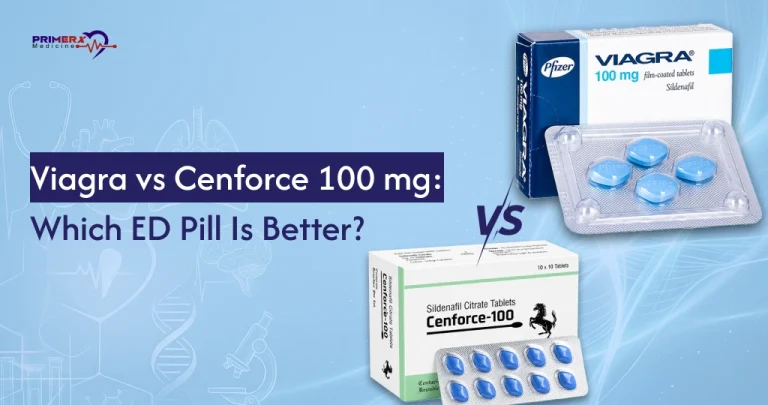
Erectile dysfunction (ED), or impotence, is the inability to achieve or maintain an adequate erection to engage in sexual intercourse. It affects millions of men in the United States and is one of the most prevalent sexual health issues among men of all ages. Erectile dysfunction is a common and treatable condition in ageing. It provides a solution to improving the state both physically and emotionally.
In the U.S., it has been reported that about 18.24% of men over 20 years old are affected by ED, but the prevalence increases rapidly after 50 years (to a high of 52% in men aged 75 and above). The good news? Its treatments, whether lifestyle modifications or sophisticated drugs, are effective for treating erectile dysfunction. This guide explains what you should know about erectile dysfunction, including its causes, symptoms, diagnosis, and the best treatment options.
What Is Erectile Dysfunction?
The inability to obtain and maintain an erection is the hallmark of erectile dysfunction. During an erection, blood is drawn into the penis and remains there, trapping it and making it firm. The failure of this process occurs in the ED as a result of a problem with blood vessels, nerves, hormones, or psychological factors.
It is worth noting that there is no cause for concern when he experiences difficulty with erections, which can be temporary due to stress, fatigue, or alcohol. Chronic erectile dysfunction (occurring in more than half of the instances) usually indicates a medical condition that a doctor should address.


Erectile Dysfunction Causes
The causes of erectile dysfunction are normally a combination of both physical and psychological factors, as well as lifestyle. The best treatment can be determined by understanding the underlying cause of the problem.
Physical causes (prevalent among old men):
- Heart disease, high blood pressure, and high cholesterol can lead to low blood flow.
- Diabetes (vascular and nerve damage)
- Obesity and metabolic syndrome.
- Decreased amount of testosterone or other hormonal disorders.
- Neurological (e.g., multiple sclerosis, Parkinson’s, stroke)
- Peyronie or past pelvic/prostate operation.
- Some drugs (antidepressants, high blood pressure medication, opioids)
Psychological causes (younger men are more likely to have it):
- Stress, depression, or anxiety in performance.
- Relationship problems
- Past trauma
Lifestyle factors:
- Smoking (destroys blood vessels)
- Overuse of alcohol and drugs.
- Lack of exercise
- Poor diet
It is also an early sign of heart disease, as in ED, the arteries are smaller in the penis and may indicate difficulties with the heart.
Erectile Dysfunction Symptoms.
The principal symptoms of erectile dysfunction are:
- Trouble getting an erection
- unable to sustain an erection during sexual activity
- Decreased sexual motivation (low libido)
Other signs may include the following:
- Weak erections that cannot be penetrated.
- Short-term erections.
- Erections in the morning are becoming less frequent.
If you are still having symptoms after a few weeks, see a doctor. Erectile dysfunction is not only a sex-related issue but also a confidence issue, a relationship issue, and a mental health issue.
What is the diagnosis of erectile dysfunction?
The diagnosis typically begins by discussing your medical history, lifestyle, and symptoms. Your doctor may:
- Perform a physical exam.
- Blood tests (testosterone, cholesterol, diabetes).
- Recommend a psychological assessment when it is suspected that there is stress or anxiety.
Certainly, specialised tests (ultrasound and nocturnal erection) can be utilised. Early detection is the most important, as the diagnosis of the ED can indicate treatable heart disease or diabetes.
Therapy of Erectile Dysfunction.
The optimal treatments of erectile dysfunction are based on the cause and severity. Lifestyle changes and oral drugs are the initial mode of starting for most men. The following list shows viable alternatives that will be available:
1. First-Line Treatment: Oral Medications.
PDE5 inhibitors can be very useful in most men, and they act by enhancing the flow of blood to the penis.
| Medication | Brand Name(s) | Onset Time | Duration | Key Notes |
| Sildenafil | Viagra, generic, Vybrique (oral film) | 30–60 min | 4–6 hours | It saw the approval of a new oral film type for covert, water-free usage. |
| Tadalafil | Cialis, generic | 30 min | Up to 36 hours | There is a daily low-dose option |
| Vardenafil | Levitra, Staxyn | 30–60 min | 4–5 hours | Works well for some men |
| Avanafil | Stendra | 15–30 min | 6 hours | Fastest-acting oral option |
These need a prescription and sexual stimulation to be effective. The side effects are mainly mild (headache, flushing).
2. Over-the-Counter and Non-Pill.
- Eroxon (MED3000): First FDA-approved over-the-counter topical gel for ED. When put on the top of the penis, it takes around 10 minutes to effect the cooling/warming feelings that excite the nerves. None require a prescription and have minimal side effects.
- Vacuum erection pumps (pumps).
- Urethral suppositories (alprostadil) or penile injections.
3. Lifestyle Management and Nature.
For many men, this approach leads to a big improvement.
- Pelvic floor/Kegel exercises.
- Fat-fighting diet (Mediterranean style).
- Cessation of smoking and restriction of alcohol.
- Weight loss
- Stress alleviation (meditation, therapy)
4. Innovative and Developing Therapies.
- Low-intensity shockwave therapy (Li-ESWT) is non-invasive; it can enhance blood flow (effects are inconsistent and not approved expressly for ED, but it is available in clinics).
- Sex therapy or counselling, particularly for psychological ED, is recommended.
- Testosterone replacement (in case of low levels).
- Penile implants are used in severe cases that do not respond to alternative treatments.
Never take any form of treatment for erectile dysfunction without consulting a healthcare provider. Self-treatment can lead to missing major underlying conditions.
Prevention and When to See a Doctor.
To reduce your risk of experiencing erectile dysfunction, you can:
- Need to eat a balanced and healthy diet.
- Maintain a healthy body weight.
- Stay physically active.
- Control diabetes, blood pressure and cholesterol
- Avoid smoking.
- Take low alcohol.
See a doctor if:
- Problems with erection are common.
- You are symptomatic (with chest pain, lack of energy, and low libido).
- ED can be acute or occur alongside other health changes.
Conclusion
Erectile dysfunction is widespread, can be treated successfully, and there is no reason to be ashamed of it. The condition can be due to a physical health concern, lifestyle, or stress, but various options, including daily medications, the new Eroxon gel, lifestyle changes, and therapy, can help most men today regain confidence and intimacy. The first step is to talk to your doctor. By adopting the correct attitude, you can be successful in controlling your sexual health and general well-being.
Wait no longer – there are immediate treatment methods for effective erectile dysfunction. Be in control of your health.
FAQs
What does erectile dysfunction mean?
Erectile dysfunction (ED) is the habitual failure to achieve or sustain an erection stiff enough to have intercourse. It is common and treatable.
What are the key causes of erectile dysfunction?
The causes are heart disease, diabetes, high blood pressure, low testosterone levels, stress, anxiety, smoking, obesity, and some medications. Frequently, a mixture of factors.
Does it mean that erectile dysfunction is an ordinary ageing process?
It increases with age, although it is not inevitable. Most men of this age are sexually healthy and receive excellent care.
Will lifestyle modification treat erectile dysfunction?
Yes, for many men, exercise, weight reduction, cessation of smoking, and a nutritious diet can greatly enhance or even reverse mild to moderate ED.
Are ED pills effective and safe?
Sildenafil and tadalafil are also PDE5 inhibitors, which are safe with a doctor’s prescription in the majority of men. They work for about 70% of users.
Can Young Men Have Erectile Dysfunction?
Yes. Although rare, ED among men under 40 is usually correlated with psychological causes, lifestyle, or even early vascular disease. The rates are increasing among younger men.
Does heart disease manifest itself in erectile dysfunction?
Often yes. The reason is that penile arteries are smaller, and ED can some times associated with cardiovascular disease because both conditions may involve blood-vessel problems. It can be an early warning concept.
Do you have over-the-counter remedies for erectile dysfunction?
Yes, the first FDA-cleared topical treatment is the Yes (MED3000) gel. It is fast-acting, and it does not need a prescription. There are yet to be considered alternatives, which require the doctor’s input.