PE is a very common male sexual health issue where up to 30-40 percent of men at one time or another experience it, usually within a minute or two following penetration into the vagina, causing pain, frustration and a lack of sexual activity. Regardless of whether your condition is lifelong premature ejaculation or acquired premature ejaculation, the good news is that there are effective options for the treatment of premature ejaculation. This guide discusses the causes of premature ejaculation, its symptoms, diagnosis, evidence-based therapy, and real-life measures to overcome and restore confidence. We have updated all data, using only the most reputable sources.
What Is Premature Ejaculation?
The ejaculation that happens instantly or almost instantly, preceding or upon approximately 1 minute of penetration (in lifelong ejaculation) or a clinically portentous decrease in latency time that results in distress, is called ‘untimely ejaculation’ by the International Society for Sexual Medicine. It incorporates failure to withhold ejaculation and causes distress in the person or the relationship.
The mean intravaginal ejaculatory latency time (IELT) is approximately five minutes. Premature ejaculation is categorized as follows:
- Lifelong (primary) premature ejaculation occurs from the beginning of sexual life.
- Acquired (secondary) premature ejaculation will develop later as a result of new factors.
Early ejaculation is not a problem, as it occasionally occurs. Chronic premature ejaculation, which occurs most of the time during encounters, should be looked into.
Explore Trusted Treatment Options at Competitive Prices

Premature Ejaculation Symptoms.
The main symptom of premature ejaculation is that the ejaculation is not timed as you or your partner want it to be; it usually happens 1-3 minutes after penetration. Other signs include:
- Failure to withhold ejaculation during almost all sexual intercourse (including masturbation).
- Distress, anxiety, or frustration over sexual performance.
- People avoid intimacy because of embarrassment or fear of not pleasing a partner.
- Strain of relationships or low self-worth.
In case these symptoms of premature ejaculation last at least six months and are greatly bothersome, it qualifies as a diagnosis under guidelines.
Premature Ejaculation Causes: Psychological, Biological, and Lifestyle Causes.
The very causes of premature ejaculation are a complicated combination of both mental and biological causes, which were once believed to be a purely mental issue but are now known to be multifaceted.
Psychological Causes
- Performance anxiety and ejaculation timing anxiety.
- Depression, guilt or early negative sexual experiences.
- Interpersonal issues or low self-image.
- Anxiety about erectile dysfunction (ED) can make you have sex quickly to keep an erection.
Biological and Physical Causes.
- Brain serotonin levels are low (a major neurotransmitter in slowing ejaculation).
- Dysfunctional hormones (oxytocin, thyroid, testosterone, and prolactin).
- Prostate or urethral inflammation/infection.
- Familial or hyperirritable penile dermis.
- Diseases that happen at the same time, such as diabetes or high blood pressure.
Lifestyle Factors
- Using drugs or alcohol too much can also be a lifestyle factor.
- Tiredness and sadness.
- A sedentary lifestyle is weakening the muscles of the pelvis.
The first step in getting successful premature ejaculation treatment is to understand the causes of the premature ejaculation you are experiencing.
What Is the Diagnosis for Premature Ejaculation?
The diagnosis begins with a consultation with a urologist or an intimate health expert. They will enquire about the following.
- Timing and frequency of episodes.
- With masturbation or all the partners.
- Coexisting ED, stress, or medical conditions.
No regular lab screening is necessary unless a problem is suspected (e.g., hormone imbalance or prostate problem). The diagnosis is made based on self-reported IELTS and distress level.
Successful Premature Ejaculation Interventions
Luckily, the treatment of premature ejaculation is substantially successful. The most competent results are provided by behavioural methods, medications, counselling, and lifestyle modifications, which are normally combined.
Behavioural methods of premature ejaculation.
The first-line techniques are often drug-free, and they are based on control:
- Pause-Squeeze Technique: Ejaculation is almost reached, after which the penis is stimulated, and the head is squeezed for 30 seconds until the urge passes. Cycle 3–4 times and then permit climaxing.
- Stop-Start Technique: Hold intimate intercourse right before ejaculation, then wait 30 seconds and continue.
- Kegel Exercises for Premature Ejaculation: Toughening the Pelvic Floor Muscles. Determine muscles by interrupting the urine stream.
- Tighten for 3 seconds and relax for 3 seconds. Do 3 sets of 10 daily. Move to sitting, standing, and walking with long holding intervals.
- Masturbation 1-2 hours before intercourse.
- Wear thicker or climax-control condoms to ensure reduced sensitivity.
Premature ejaculation medicine.
- Topical Anaesthetics: Lidocaine or benzocaine sprays/creams pre-sex, 10-15 minutes before sex. Less sensitivity can result in less pleasure for both partners.
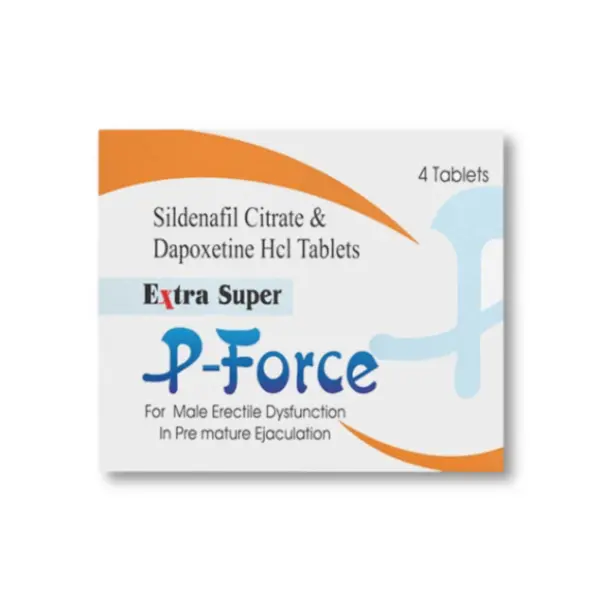
- SSRIs in Premature Ejaculation: Off-label treatments such as paroxetine (best in the US), sertraline, or fluoxetine. Dapoxetine is not approved in the US but is in other countries. Taken every day or as needed, the effects are manifested in 1-3 weeks. Side effects can be nausea or decreased libido.
- Tramadol: A painkiller that treats pain on demand and delays ejaculation (use sparingly because of its habit-forming properties).
- PDE5 Inhibitors (e.g., sildenafil/Viagra): Particularly effective when ED is also present; increase confidence and control when used with SSRIs.
Counselling and Therapy.
Couples, sex, or cognitive behavioural therapy (CBT) can be used to treat anxiety, close relationships, and performance pressure. Therapy with medication is usually the best treatment for premature ejaculation.
Lifestyle Changes and Prevention.
- Be active and keep your weight down.
- Train relaxation (yoga, meditation).
- Reduce alcohol and stop smoking.
- Be free with your partner.
| Treatment Option | How It Works | Pros | Cons | Typical Effectiveness |
| Behavioural Techniques (Pause-Squeeze, Kegels) | Builds control through practice | No side effects, free, long-term skill | Requires partner cooperation and practice | High when practised consistently |
| Topical Anesthetics | Numbs sensitivity | Over-the-counter, fast-acting | Reduced pleasure, possible transfer to partner | Good short-term relief |
| SSRIs (Paroxetine, etc.) | Increases serotonin to delay ejaculation | Proven, oral convenience | Side effects (nausea, libido drop); takes weeks | Very high, especially for daily use |
| PDE5 Inhibitors + SSRI | Combines ED help with delay | Improves confidence and stamina | Prescription only; mild side effects | Excellent for combo PE+ED |
| Counselling/Sex Therapy | Addresses psychological roots | Improves relationships | Time-intensive | High when combined with other treatments |
When to visit the doctor because of an untimely ejaculation. Get assistance when there is a steady occurrence of premature ejaculation and distress, and when it is affecting your relationship. The earlier they intervene, the better.
Conclusion
Premature ejaculation is one important issue for a male partner that you can treat; it’s not Shameful. With the use of some medication, you can improve your health. For this, you need to visit a doctor and make personalize plan for it. Do this task first and get better results.
FAQS
What is premature ejaculation, and what is the definition of premature ejaculation?
Premature ejaculation (PE) is a typical sexual disorder in which a man ejaculates less than 1-3 minutes of penetration. It leads to suffering and dissatisfaction for both partners. It may be lifelong or learned.
What are the major causes of premature ejaculation?
The main reasons for premature ejaculation are anxiety about performance, stress, low levels of serotonin, hormonal imbalances, prostate-related issues, and impotence. Other lifestyle choices, such as alcohol and fatigue, contribute to it.
What are the common signs of premature ejaculation?
Common symptoms are ejaculation occurring 1-3 minutes after penetration, inability to slow or control ejaculation, anxiety, frustration and avoidance of intimacy. These tend to be a vicious circle.
Can Psychological Factors Cause Premature Ejaculation?
Yes, mental causes are one of the preeminent causes of premature ejaculation. Sensitivity and lack of control are enhanced by performance anxiety, stress, depression, and relationship problems. Counselling is impressive in ameliorating the condition.
What are the physical and biological factors contributing to PE?
Some of the physical and biological causes are low serotonin, hormone imbalance, prostatitis, erectile dysfunction, penile hypersensitivity, diabetes, and obesity. These influence blood flow and nerve operations.
What can best be cooked to treat untimely ejaculation?
Kegel exercises, the start-stop technique, lidocaine sprays, dapoxetine medications, and counselling are the most effective remedies. Combining behavioural therapy with medicine has the best long-term results. Consult a doctor.
Do Kegel exercises assist in treating premature ejaculation?
Yes, Kegel exercises make the pelvic floor stronger and enhance control of ejaculation. Squeeze the muscles to withhold urine and hold for a couple of seconds, then repeat every day. It is safe and effective.
Are medicines able to cure premature ejaculation?
Premature ejaculation cannot be completely cured by medicines but can be controlled. Dapoxetine, numbing creams, and tramadol are some of the options. The combination of behavioural therapy and counselling is the best approach.