The inability to maintain an erection during intercourse happens much more often than most males know—and it does not ensure the end of their sex life. It may occur in the middle of penetration, just before ejaculation, or immediately after putting on a condom; this annoying problem can be experienced by millions of men of all ages. According to recent 2026 statistics, it is estimated that about 24 percent of American men have some level of erectile dysfunction (ED), which increases to 48–52 percent for older men (over 65).
The good news? In the vast majority of cases, it is possible to treat the problem of losing an erection during sex by getting to know the underlying reasons. This complete guide breaks down the latest physical, mental, and lifestyle causes based on medical knowledge from 2025 to 2026, using information from sources such as Prime Rx Medicine guidelines. You are also going to find effective solutions—both simple daily routines and medical solutions—that can help you achieve an erection while having sex and restore your self-esteem.
Learning How to Lose an Erection During Sex: When Is It Normal?
Loss of erection (during sex) refers to the loss of penis hardness or softness during or before intercourse, although you are aroused. A few episodes are normal. A temporary low in performance can happen to almost 80 percent of men at some point due to fatigue, a new partner, or too many drinks.
When it occurs more than half the time or even begins to impact the relationship and self-esteem, then it becomes a matter of concern. Regular loss of erection is a common cause of erectile dysfunction, which is defined as difficulty in achieving or maintaining an erection that is firm enough for satisfactory sex for more than three months.
The most important thing is to recognise early why it is happening, since it is not just in your head that you are not getting an erection during sex. It frequently entails a combination of factors.
Explore Trusted Treatment Options at Competitive Prices

Physiological Reasons for Loss of Erections During Sex
Physical problems are the main cause of loss of erections during sex, especially as men get older. These issues interfere with the circulation of blood, nerve impulses, or the hormone levels required to achieve an excellent erection.
- Cardiovascular issues: Heart disease, high blood pressure, high cholesterol, and atherosclerosis cause constriction of blood vessels, restricting blood flow to the penis. ED may even be a crude sign of heart problems.
- Diabetes and metabolic problems: High blood sugar destroys nerves and vessels; obesity and metabolic syndrome worsen the situation.
- Hormonal disturbances: Low testosterone decreases desire and the quality of erections. Symptoms tend to be fatigue, mood changes, and low libido.
- Nerve damage: Nerves do not transmit signals appropriately as a result of prostate surgery, spinal injuries, multiple sclerosis, or Parkinson’s disease.
- Medications: Blood pressure medication (beta-blockers, diuretics), antidepressants (SSRIs), prostate medicine, and opioids are typical culprits.
- Other aspects that play a role include smoking, excessive alcohol, Peyronie’s disease (scar tissue), sleep disorders, and even oxidative stress (emphasised in the 2025 study).
Psychological factors are behind the causes of erection loss
The part played by your brain in arousal is immense. Even when all is well physically, psychological factors can cause or exacerbate the loss of an erection during sex.
- Performance anxiety: Fear of failing to do something results in a vicious cycle, where worry causes blood flow to be lost, which leads to more worry. It occurs in 9-25% of men and usually co-occurs with premature ejaculation.
- Stress and depression: Work stress and financial or mental illnesses emit hormones that narrow blood vessels and dry up desire.
- Relationship problems: Poor communication, unresolved conflicts, or lack of emotional intimacy can reduce arousal during sex.
A trivial physical hitch can escalate into anxiety, making the occasional loss of erection a chronic issue.
Situational and lifestyle factors can contribute to the problem
Certain habits and incidents can affect you every day:
- Alcohol, smoking, and a poor diet damage blood vessels and decrease nitric oxide—the chemical that causes erections.
- Exercise and overweight: Obesity and an inactive lifestyle worsen circulation and testosterone levels.
- Fatigue or timing: Tiredness due to a long day makes it additionally difficult to maintain an erection.
- Situational triggers: Wearing a condom (decreased sensation + anxiety), a new partner, or a change of position may lead to a sudden loss of erection during sex.
What to Do When You Lose Your Erection During Sex?
Visit a doctor in case of frequent, long-lasting, and persistent occurrences of loss of erection during sex, accompanied by such symptoms as pain, low desire, difficulty in urinating, or strained relationships. Early screening is capable of revealing the presence of underlying problems, such as diabetes or heart disease.
Good tips to correct and overcome the loss of erections during sex
The best news is that most men see dramatic improvements with the right approach. The following is what really works in 2026:
1. Lifestyle Changes (Frequently the Best Remedy)
Eat foods that are heart-healthy and include fruits, vegetables, whole grains, and healthy fats to increase blood circulation.
- Working out habitually for 30 minutes a day improves circulation, weight, and testosterone.
- Stop smoking and limit alcohol to no more than 1-2 drinks per day.
- Strive to get 7-9 hours of restful sleep each night.
- Reduce superfluous weight: Even a moderate amount of weight loss can rejuvenate erections.
2. Psychological and behavioural strategies
- Be mindful or take deep breaths to disrupt performance anxiety.
- Be open with your partner; pressure tends to have the opposite effect and can sometimes be relieved immediately.
- Re-establish confidence: use sensate focus exercises or non-penetrative intimacy.
- Learn to use therapy or couples counselling for deep stress or relationship issues.
3. Treatments and drugs
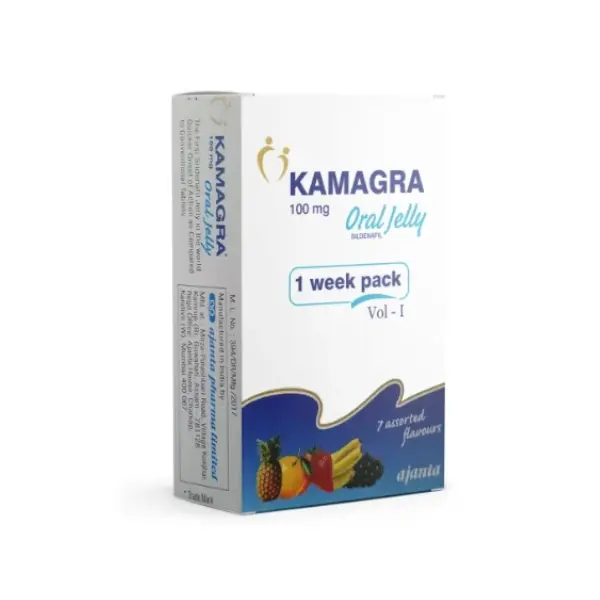
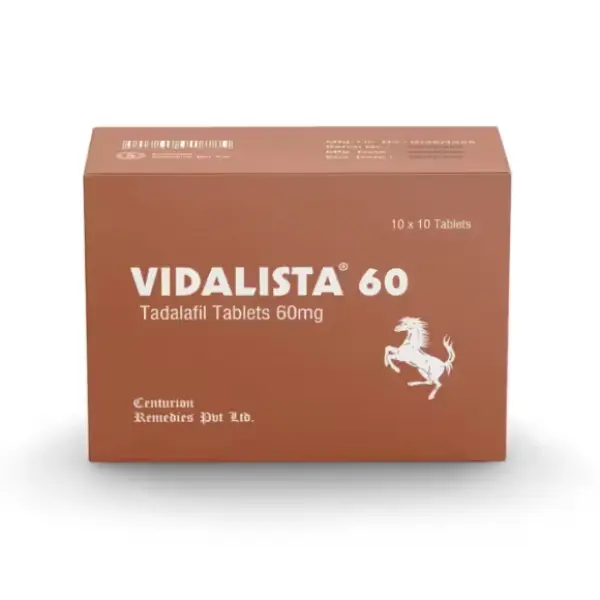
- PDE5 inhibitors: Sildenafil (Viagra), tadalafil (Cialis), vardenafil, or avanafil are first-line. They improve blood flow and take effect in 30-60 minutes (Cialis lasts for up to 36 hours).
- New alternatives: Topical gels such as the MED3000 (Eroxon), which are available over the counter, are fast-acting and do not need pills. Low-intensity shockwave therapy is also becoming popular for long-term improvement.
- Other treatments: testosterone replacement (where levels are low), vacuum erection aids, intravenous injection therapy (Trimix), or—in uncommon cases—penile implants.
NEVER take drugs without consulting your physician; a single pill would resolve the problem.
Pro tip: Mix methods. Lifestyle changes and medication usually provide the best long-term results.
| Cause Category | Common Examples | Most Effective Fixes | Expected Improvement Timeline |
| Physical (Vascular/Hormonal) | High BP, diabetes, low T | Exercise, diet, PDE5 meds, TRT | 4-12 weeks |
| Psychological | Performance anxiety, stress | Condom use, fatigue, and a new partner | 2-8 weeks |
| Lifestyle | Condom use, fatigue, and a new partner | Quit habits, weight loss, better sleep | 4-8 weeks |
| Situational | Therapy, mindfulness, and partner communication | Practice, relaxation techniques, arousal focus | Immediate to 4 weeks |
Conclusion
What is the reason men have problems with erections during sex? Reasons are rarely one-dimensional; they may be ordinary lifestyles, habits, or curable illnesses. The worst thing is to panic or be ashamed. Most men with present-day 2026 knowledge and equipment recover complete control and have pleasurable sex once more.
Begin with sincere self-evaluation and minor transformations in the present day. Discuss the problem with your partner and see a doctor if it continues. Enhanced circulation, reduced stress, and proven remedies can change your experience. You are not alone, and assistance is viable and available. Make the first step—your self-confidence and closeness are worth it.
FAQs
Do you always experience erectile dysfunction by losing an erection during sex?
No. Losing an erection periodically during sex is entirely normal, and most men experience this symptom at one time or another because of fatigue, stress, or distraction. Erectile dysfunction (ED) is only diagnosed if it is constant (more than 50 percent of the time) over several months and disrupts pleasurable sex.
Will stress alone lead to loss of sexual erections?
Yes. Key triggers are stress, anxiety, and, more specifically, performance anxiety. They release hormones that constrict blood vessels, resulting in a cycle where worry decreases blood flow, which in turn leads to increased worry. Most men often get over it in a short period of time by using simple relaxation methods, such as deep breathing or practicing mindfulness.
How can one most quickly resolve the problem of loss of erection during sex?
Sildenafil (Viagra) or tadalafil (Cialis) are the types of PDE5 inhibitors that are in use among many men and take 30–60 minutes to work by increasing blood flow during arousal. Some users can have their over-the-counter options, such as Eroxon’s MED3000 gel, begin to work within approximately 10 minutes. Lifestyle changes and open communication with partners yield more long-term benefits. Never take any treatment without consulting a doctor.
Is weight loss an effective way to achieve better erections?
Yes, often dramatically. Although just the loss of 10-15 pounds (or 5-10 percent body weight) can increase levels of testosterone, increase blood flow, lessen inflammation, and enhance the heart, which is needed to keep erections. Research indicates that weight loss, along with exercise, assists most men in getting sexual function without medication.
Can Medications Cause Sudden Loss of Erection?
Yes. The typical offenders are blood pressure medications (such as beta-blockers or diuretics), some antidepressants (SSRIs), prostate medications, and opioids. When you suspect a sudden loss of erection after starting or switching a prescription, discuss the problem with your doctor — it can be resolved safely by switching drugs or increasing the dosage.
What do I do to maintain an erection when using a condom?
Get very excited before putting it on, use slimmer condoms or extra-lubricated condoms to keep the sensation, and talk with your partner. When firmness decreases, wait to stimulate (kiss or touch), but do not hurry. Get used to condom practice by masturbating alone.
When is it time to see a doctor concerning sexual erections?
Consult a healthcare professional if you experience losing erections during sex more than half the time, for more than three months, or if you have other symptoms such as low libido, pain, or difficulty urinating. Early assessment can help exclude underlying problems such as heart disease or diabetes.
Do natural remedies really work to lose an erection during sex?
Yes: the evidence-based ones are regular exercise (30 minutes a day of walking can decrease the risk of ED considerably), a heart-healthy diet with high levels of fruits/vegetables/fish, smoking cessation, alcohol reduction, and stress reduction (meditation or therapy). Kegel (pelvic floor) exercises can be used to enhance erectile support as well. There are mixed results with supplements such as L-arginine or ginseng, and they should be taken only under the advice of a doctor to prevent interactions.