A silent health disease is high cholesterol, which affects millions of men in the world today. The question is, can high cholesterol lead to erectile dysfunction? The brief response is yes – high cholesterol plays a significant role in contributing to erectile dysfunction, which is caused by high cholesterol levels and is the cornerstone of healthy erections.
Erectile dysfunction (ED), the inability to achieve or maintain an erection firm enough to have satisfying sex, affects the quality of life and self-esteem. New studies indicate that there is a very close correlation between cholesterol and erectile dysfunction and that high cholesterol is often used as a telltale sign of more comprehensive cardiovascular issues. The coronary arteries are larger than the penile arteries, and thus, before the heart symptoms, ED may manifest.
This book is a complete guide that explains the science, symptoms, risk factors, treatment, and practical steps to manage both conditions. When treating high cholesterol and ED before they arise, a significant number of men regain sexual performance and well-being.
What Is Cholesterol, and Why Does It Matter?
Cholesterol is a fat-like waxy substance necessary in the formation of cell membranes, synthesis of hormones (including testosterone), and production of vitamin D. Most of it is produced by the liver, with only a few being obtained through diet.
The substance has two broad categories:
- LDL (Low-Density Lipoprotein) – Bad cholesterol that can be deposited in the arteries.
- HDL (High-Density Lipoprotein) — Beneficial cholesterol that helps eliminate LDL from the blood.
It causes the formation of plaque (atherosclerosis), narrowing of the arteries, and decreased blood flow when the level of so-called LDL increases. This condition has a direct effect on erectile dysfunction and high cholesterol.
Explore Trusted Treatment Options at Competitive Prices

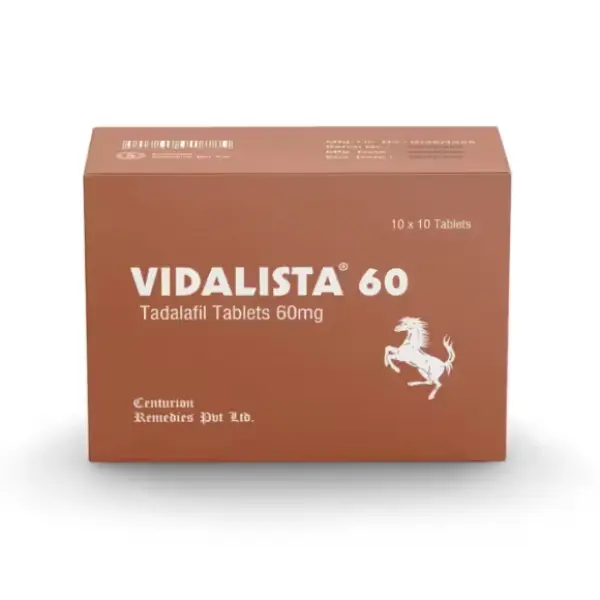
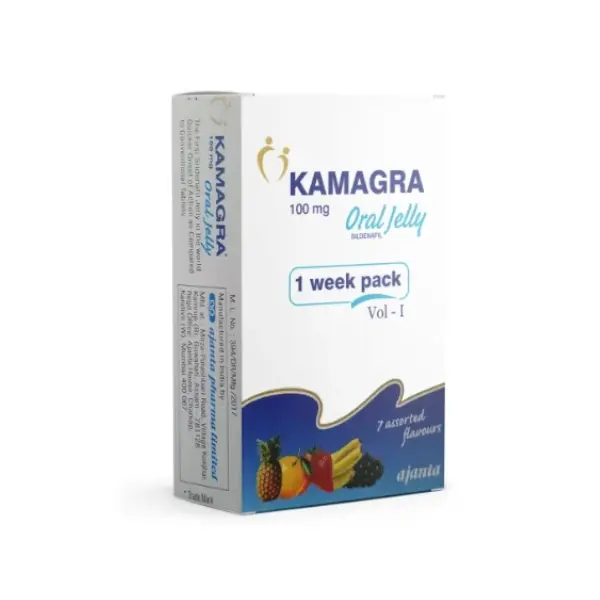
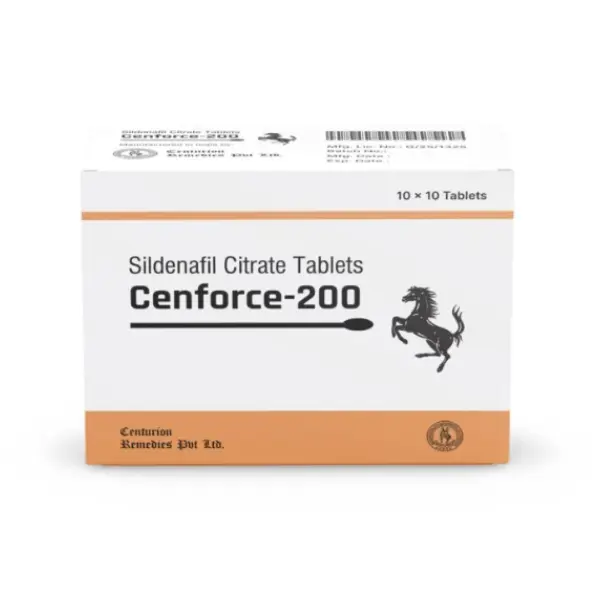
The Direct Link: How High Cholesterol Causes Erectile Dysfunction
High cholesterol is also a cause of ED, which is mostly caused by vascular damage. Here’s the mechanism:
- Atherosclerosis and Narrow Blood Flow — Excess LDL builds up as plaque in the penile arteries, making them stiff and reducing blood flow into the corpora cavernosa, which is needed to fill the penis’s cavernosa during arousal. This procedure is needed to simplify the flow of blood through the walls of the arteries and to address narrowing dysfunction.
- Endothelial Dysfunction — The endothelium (inner lining of blood vessels) produces nitric oxide, which relaxes vessels to produce an erection. High cholesterol worsens oxidative stress and inflammation, impairing this process.
- Reduced testosterone production in the testicles due to plaque deposition can reduce libido and erectile performance.
- Nerve Damage – Long-term poor circulation can damage the nerves involved in the erection process.
Research findings indicate that men with high levels of both high-density lipoprotein (HDL) and total cholesterol have increased prevalence and severity of ED. In one of the analyses, there was a significant negative relationship between erectile function scores and levels of LDL.
Cardiovascular disease is frequently an early manifestation of ED. Men whose high cholesterol levels cause erectile dysfunction may be vulnerable to heart disease many years later.
Symptoms of High Cholesterol in Men
High cholesterol levels usually show no noticeable signs until complications develop. Most individuals find it through blood tests or when an ED occurs. Risk factors include:
- Family history of high cholesterol or heart disease.
- Overweight or obesity
- Sedentary lifestyle
- High amounts of saturated and trans fats in the diet.
- Smoking
- High blood pressure
- Diabetes
It is important to regularly test lipid panels (every 4-6 years or more often if at risk).
Can Cholesterol Medications (Statins) Cause ED?
Other men are concerned that statins make ED worse. Evidence is mixed:
- Statins reduce LDL and enhance the functioning of endothelial cells, which may, over time, improve the functioning of the ED through improved blood flow.
- They usually do not significantly decrease testosterone or produce performance-limiting side effects with muscle activity.
- In general, cardiovascular benefits tend to be more important than the dangers. Numerous studies demonstrate that, to alleviate ED symptoms, it is essential to reduce cholesterol.
It is always best to speak with your doctor about the concerns. Never discontinue medication without instructions.
Does Reducing Cholesterol Enhance Erectile Dysfunction?
Yes. Optimising lipid profiles can tend to improve erectile function:
- Decreased plaque permits increased blood flow.
- Enhanced production of nitric oxide.
- Healthier vascularity on a general basis.
The changes in lifestyle and medications that reduce high cholesterol levels often lead to more noticeable improvements in ED within months.
Prevention and Lifestyle Changes for High Cholesterol and ED
There is good reason to believe these strategies work:
- Heart-Healthy Diet — Focus on the eating style of the Mediterranean: vegetables, fruits, whole grains, fish, nuts, and olive oil. Reduce the intake of red meat, processed foods, and sweetened foods. Fibre and healthy fats (avocados, oats) can be used to reduce the level of LDL.
- Regular Exercise — Aim to do 150 minutes of moderate aerobic exercise weekly and strength training. Exercise enhances HDL, increases circulation, and aids testosterone.
- Weight Management – It is crucial to lose even 5-10% of body weight, as this significantly improves cholesterol levels and ED.
- Stop Smoking! — Tobacco harms blood vessels, and it does so directly.
- Limit Alcohol: Moderate drinking; drinking more increases triglycerides and blood pressure.
- Stress Management – Chronic stress exacerbates both. Try meditation or yoga.
- Quality Sleep—Lack of sleep interferes with hormones and leads to more inflammation.
These alterations are effective in dealing with the root causes of erectile dysfunction and high cholesterol.
Medical Treatments and When to See a Doctor
See a medical professional if you have persistent ED or suspect that you have high cholesterol. They may recommend:
- Statin therapy or other lipid-lowering medications.
- ED Medications – PDE5 inhibitors, such as sildenafil (Viagra) and tadalafil (Cialis), are generally safe in combination with high cholesterol and statins, with no significant interactions in most cases. Always obtain medical clearance.
- Testosterone replacement is used when testosterone levels are low.
- Alternatives to discussing the ultra-thin ideal model of female body cultivation include vacuum devices, injections, and counselling for psychological factors.
ED may indicate serious heart problems, so get yourself checked.
| Aspect | High Cholesterol Impact | Benefits of Management |
| Blood Flow | Plaque narrows arteries. | Improved circulation for stronger erections |
| Nitric Oxide | Reduced production | Better vessel relaxation |
| Testosterone | Potentially lowered | Restored libido and function |
| Heart Disease Risk | Increased | Reduced overall cardiovascular risk |
Conclusion
High cholesterol is a significant yet changeable factor in the cause of erectile dysfunction. Hormonal effects, endothelial damage, and atherosclerosis are the causes of erectile dysfunction in many men with high cholesterol levels. The good news is that proactive management, through lifestyle changes, medications, and medical advice, could improve both cholesterol levels and sexual health, and reduce the risk of heart disease.
Remember not to disregard ED as ageing. It can be the first warning your body gives you. Today, take charge by eating a healthy diet, exercising, having regular check-ups, and talking to the doctor. A large number of men feel confident and healthy again by treating both high cholesterol and ED.
Take care of your health; your heart and sex life will thank you for it.
FAQs
Does high cholesterol result in erectile dysfunction?
Yes. The increase in cholesterol levels promotes the development of plaque (atherosclerosis) in the arteries, which restricts the flow of blood to the penis. It is a direct cause of high cholesterol and erectile dysfunction and can complicate reaching and sustaining firm erections.
What is the relationship between high cholesterol and ED?
The vascular system interweaves the vascular connections between high cholesterol and ED. An increase in LDL causes damage to the walls of the arteries, reduces the production of nitric oxide, and worsens blood circulation. These impacts render erections challenging, which sets a solid link between cholesterol and erectile dysfunction.
Is a reduction in cholesterol better than ED?
Yes, often significantly. Reducing the level of high cholesterol makes blood vessels more flexible, increases the level of nitric oxide, and restores normal blood flow to the penis. The erectile functionality of many men improves significantly once they have their cholesterol levels under control.
Are statins responsible for erectile dysfunction?
Statins do not tend to cause ED but tend to improve it by ameliorating circulation and decreasing plaque. Although some men complain of mild side effects, cardiovascular benefits tend to outweigh the risks. Never change medication without consulting your doctor.
Is ED an early warning of high cholesterol?
Yes, frequently. Since penile arteries are smaller than coronary arteries, ED can manifest itself as an early warning of high cholesterol and atherosclerosis. It is usually an early indicator of cardiovascular problems decades before heart symptoms arise.
What are the foods that are beneficial for high cholesterol and ED?
Leafy greens, berries, fatty fish, nuts, oats, and olive oil can reduce LDL cholesterol levels and help maintain vascular health. The nutrient-based substitutes reduce swelling, improve blood circulation, and can be easily used to relieve symptoms of high cholesterol and erectile dysfunction.
Are Viagra and high cholesterol safe?
Yes, generally with the approval of a doctor. Viagra (sildenafil) has no significant interaction with most of the statins or high-cholesterol agents. However, it is never too late to disclose the whole medical history so that safe use can be assured and any potential complications can be avoided.
What can I do to avoid high cholesterol and erectile dysfunction?
Prevent high cholesterol and maintain a heart-healthy weight by engaging in daily cholesterol-lowering activities, adhering to a healthy diet, quitting smoking, and engaging in daily physical activity. These lifestyle modifications protect vascular health and support daily sexual function.