Erectile dysfunction (ED) is a widespread disorder in which a man is unable to produce or sustain an erection strong enough to engage in sexual intercourse. It occurs in about 18% to 24% percent of men in the United States, and the rates increase dramatically with age, to about 52 percent of men who are 75 years old and older. Although in the past, ED was perceived as primarily a mental problem, professionals currently acknowledge it as a multidimensional health outcome that is, in most cases, associated with co-morbid physical ailments such as cardiovascular disease, diabetes, or obesity.
The good news? The treatment of erectile dysfunction is very effective in the majority of cases, and timely treatment can improve sexual health and quality of life. It is an all-inclusive resource on the most recent causes of erectile dysfunction, symptoms of ED, diagnosis, and treatment options, depending on the current medical guidelines, including the Mayo Clinic and the American Urological Association (AUA).
What Is Erectile Dysfunction?
Erectile dysfunction (also impotence) is erectile insufficiency in which the penis fails to get sufficient blood to produce or maintain an erection during sexual intercourse. It does not resemble occasional performance problems; true ED is characterised by consistent issues lasting several weeks or months. It may occur at any age, although it becomes more prevalent past 40 as a result of natural alterations in blood vessels, hormones, and nerves. Notably, ED can be a primary indicator of other severe illnesses such as heart disease, which is why it should be evaluated professionally.
Explore Trusted Treatment Options at Competitive Prices


Erectile Dysfunction Symptoms
Early identification of the symptoms of ED serves to initiate treatment in time. Common signs include:
- Difficulty getting an erection when sexually aroused.
- Failure to have an erection that is durable enough to have intercourse.
- Soft, too soft for penetrative sex.
- Loss of sexual desire or libido (in some cases, it is associated with low testosterone)
- Fear of sexual performance in particular can also be a factor.
When these problems are experienced over 50% of the time, this could be a sign of erectile dysfunction. It is important to note that men may experience symptoms all at once or notice changes over time.
Reasons for Erectile Dysfunction
Causes of erectile dysfunction are categorized into three broad groups, namely physical, psychological, and lifestyle-related. In most situations, there is a combination of various factors.
Physical Causes
These are most of the cases of ED, particularly in older men:
- Cardiovascular problems and conditions (atherosclerosis, high blood pressure, and high cholesterol) are the leading causes of poor blood flow.
- Diabetes (destroys blood vessels and nerves)
- Obesity and metabolic syndrome.
- Hormonal conditions like low testosterone levels or thyroid disorders.
- Neurological (Parkinson’s disease, multiple sclerosis, stroke)
- pelvic surgery, prostate damage, or prostate treatment
- Certain medications (opioids, blood pressure medications, and antidepressants)
- Sleep conditions, including obstructive sleep apnoea.
Psychological Causes
Even in the presence of physical factors, stress, anxiety, depression, or relationship problems can trigger or aggravate the condition known as ED. The performance anxiety usually leads to a vicious cycle.
Lifestyle Factors
- Smoking (destroys blood vessels)
- Alcohol or drug abuse.
- Lack of physical activity
- Unhealthy eating habits that are rich in processed foods.
Men with erectile dysfunction who are at increased risk of heart events in the future should be screened for underlying conditions, as such a diagnosis can indicate other underlying health issues.
Reasons to Be Concerned with Erectile Dysfunction
Several factors put you at risk of having ED:
| Risk Factor | Impact on ED Risk | Notes |
| Age (over 40) | Increases significantly | Doubles or triples the risk |
| Diabetes | Doubles or triples risk | Poorly controlled blood sugar worsens it |
| Hypertension | Common in 35–40% of ED cases | Shared vascular damage |
| Obesity | Strongly linked | Weight loss often improves symptoms |
| Smoking | Major contributor | Quitting can reverse some damage |
| Sedentary lifestyle | Reduces blood flow | Exercise helps 30–50% of cases |
Erectile Dysfunction Diagnosis.
Diagnosis of ED is done by a doctor (mostly a urologist or a primary care physician) as follows:
- Comprehensive medical and sexual history.
- Physical examination (blood pressure and genital examination)
- Blood (glucose, cholesterol, testosterone, and thyroid) tests.
- Ultrasound blood flow or psychological assessment (not compulsory).
There is no single test that confirms the existence of ED; the emphasis is on identifying treatable causes.
Erectile Dysfunction Medical Remedies.
The ED treatment options are extremely effective when they are adjusted according to cause. Most men usually use non-invasive approaches.
1. Changes in lifestyle (first-line choice)
Mild cases of ED, or in addition to other treatments, may be solved by simple changes:
- Exercise (usually 30 minutes every day)
- Heart-healthy diet (Mediterranean style).
- Weight loss (even 5–10% helps)
- Stop smoking and reduce alcohol.
- Stress management (meditation, counselling)
- Better sleep
If your life style is proper it enhance reduce 20% to 10% chance of erectile dysfunction.
2. Oral Medication (Most prevalent)
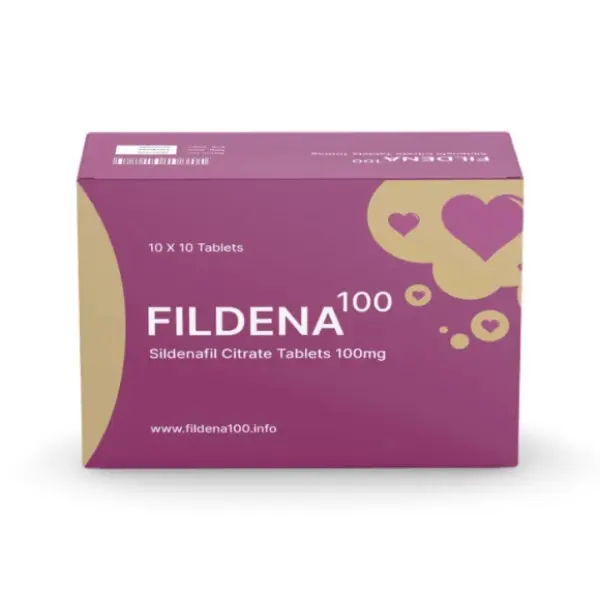
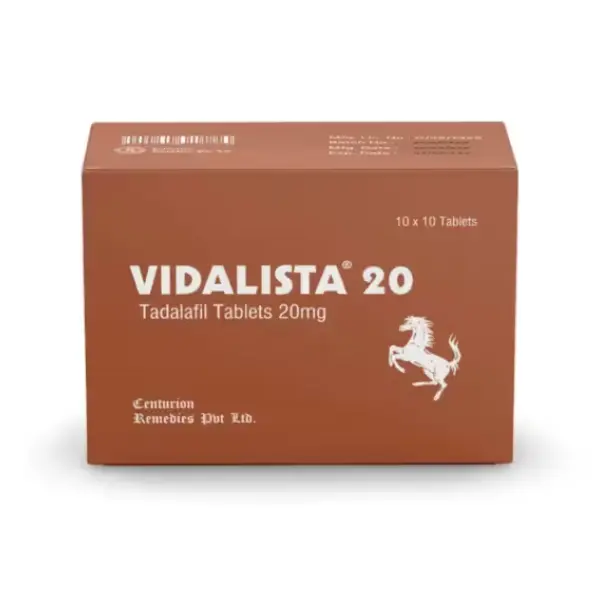
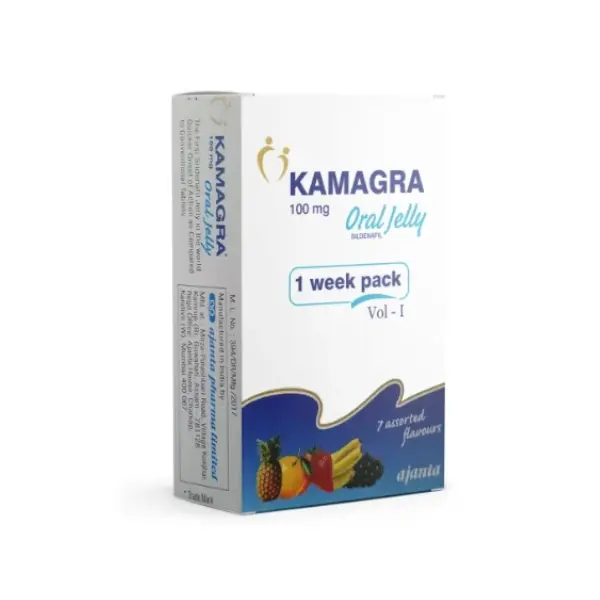
PDE5 inhibitors are the first-line therapy of the Erectile dysfunction. When stimulated, they increase the natural blood flow.
| Medication | Brand Name(s) | Onset Time | Duration | Key Notes | Common Side Effects |
| Sildenafil | Viagra, Vybrique (new oral film) | 30–60 min | Around 4–6 hours | The new film form dissolves without water, making it the fastest for on-demand use. | Headache, flushing, indigestion |
| Tadalafil | Cialis | 30 min | Up to 36 hours | “Weekend pill” for spontaneity | Back pain, muscle aches |
| Vardenafil | Levitra, Staxyn | 30–60 min | 4–5 hours | Similar to sildenafil | Headache, flushing |
| Avanafil | Stendra | 15–30 min | 6 hours | Fastest onset | Headache, nasal congestion |
Always take in the amount prescribed; they are not aphrodisiacs and need sexual stimulation. More recent products, such as Vybrique sildenafil oral film provide waterless dosing.
3. Other Non-Oral Treatments
- Over-the-counter topical gel: Eroxon (MED3000) is an FDA-approved gel for the penis head; it acts in 10-30 min through a cooling/warming effect to increase blood circulation (a favourite with men who do not like pills).
- Vacuum erection devices: Vacuum erection, a non-invasive pump, is safe and effective for many.
- Injection therapy (alprostadil injected into the penis) is rapid and dependable, though it needs training.
- Testosterone replacement: This therapy is only in case blood tests reveal low levels.
- Counselling or sex therapy: Necessary for psychological ED or relationship problems.
4. Developed and Novel Therapies.
- Low-intensity shockwave therapy (LI-ESWT) is a non-invasive ultrasound-like treatment that stimulates new blood vessel development and has shown promising outcomes in research, used mainly along with PDE5 inhibitors.
- Penile implants: Surgical intervention in case of severe treatment-resistant and treatment-refractory ED (high satisfaction rates).
- Experimental (not fully researched): PRP injections, stem cell therapy – ask an expert about participating in clinical trials.
The right approach has a success rate of over 70-80% in treatment. Your physician will cover the advantages, disadvantages, and interactions (particularly of heart medications or nitrates).
Erectile Dysfunction Prevention
You can reduce your chances of developing erectile dysfunction by:
- Maintaining normal weight and blood pressure.
- Exercising regularly.
- Eating a balanced diet.
- Need to avoid smoking and alcohol.
- Stress management and periodic health examinations.
When to See a Physician for Erectile Dysfunction
Seek medical assistance in case of ED, which lasts longer than several weeks, is distressing, or comes with other signs, such as chest pains, fatigue, or urinary problems. Early intervention normally produces the best outcomes and could also discover treatable cases.
Conclusion
Erectile dysfunction is not a process of ageing; it’s a medical condition with different causes, but rather a medical, treatable condition that affects millions of men but is effectively treated with contemporary ED treatment procedures. Whether changes to lifestyle and established drugs such as PDE5 inhibitors are the remedy, or new medical systems such as topical gels and shockwave therapy are the answers, there is a solution to almost every cause and level of severity. The point is that you should communicate with your medical professional and develop a plan of your own. Embarrassment should not be an obstacle; it is never too late to act and regain confidence, intimacy, and a sense of well-being. In case you are having some symptoms, make a visit as soon as possible to achieve the best results.
FAQS
What is the primary aetiology of erectile dysfunction?
The most common cause is vascular issues, which decrease blood flow to the penis, which is commonly associated with heart disease, diabetes, high blood pressure, or high cholesterol.
Is it possible to permanently treat erectile dysfunction?
A significant number of the cases can be reversed through lifestyle modifications, medication, or treatment of the underlying conditions. Severe chronic ED may be long-term but not necessarily fully cured.
Does ED have any natural remedies?
There is some scientific justification for exercise, a nutritious diet, acupuncture, or selected supplements (such as ginseng), although they are not as effective as medical interventions. It is always advisable to see a doctor before trying them.
Does age lead to erectile dysfunction?
Natural vascular changes are risk factors, and age is not an invariable cause of ED. It can be prevented or delayed by means of healthy lifestyle habits.
Which is the most appropriate treatment for erectile dysfunction?
PDE5 inhibitor pills (such as tadalafil or sildenafil) are indicated in most men and are first-line according to the existing guidelines. Health, preferences and cause are what determine the best.
Is ED caused by stress or anxiety?
Yes, psychological causes such as performance anxiety or depression are widespread, particularly among young men. Physical treatments are usually assisted by therapy.
Are ED medications safe?
Doctor’s prescribed PDE5 inhibitors are not harmful to most men and are approved by the FDA. They could have an interaction with nitrates or some heart medications; thus, complete disclosure to your doctor is necessary.
How Fast Do ED Treatments Work?
Oral pills take 15 to 60 minutes, while the new Eroxon gel takes about 10 minutes. The lifestyle change can require weeks or months before improvement is observed.